ROOTED HERE
The history of Bethesda
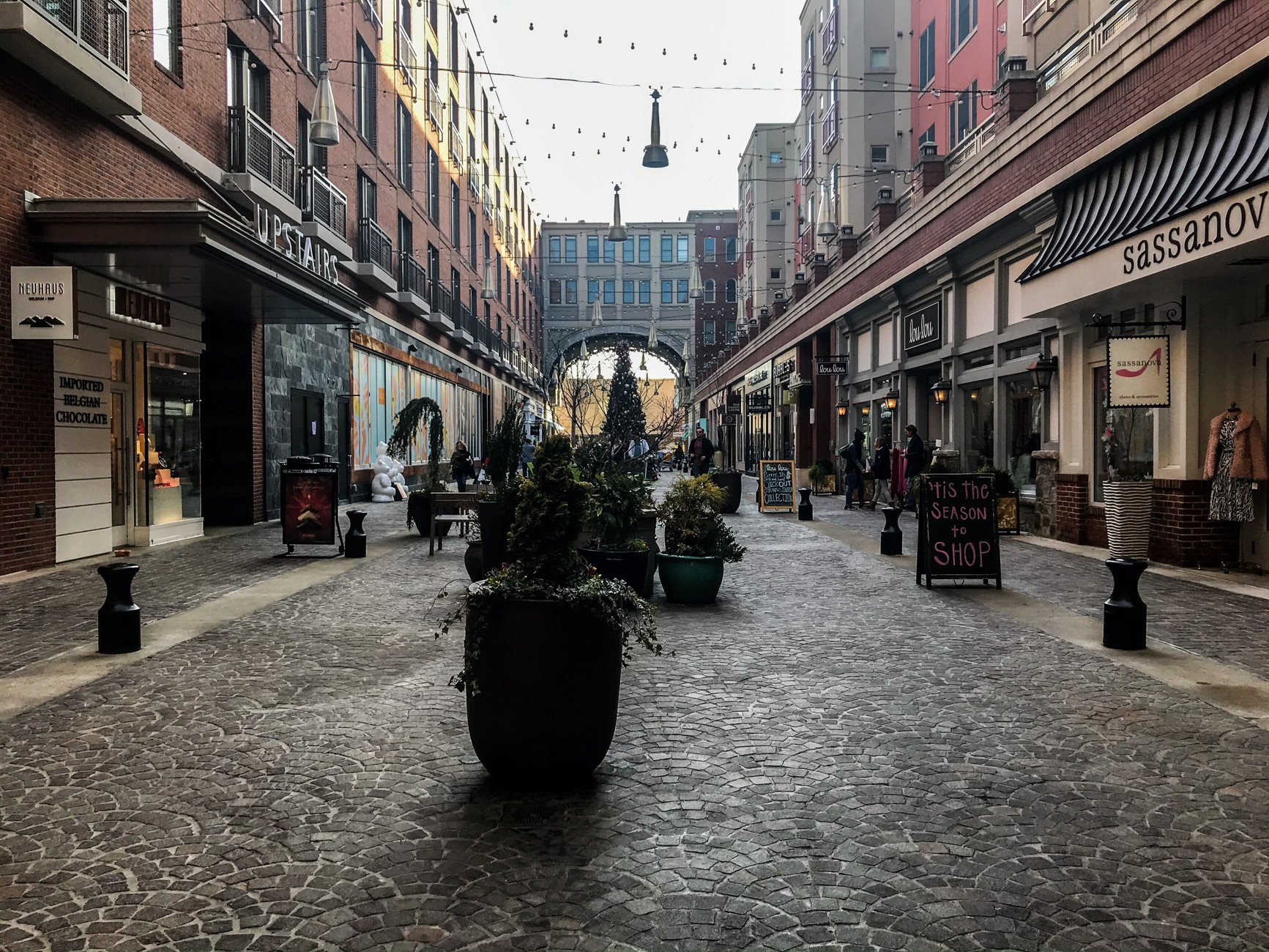
Bethesda is an unincorporated census-designated place in Montgomery County, Maryland. Bethesda Row and Woodmont are useful starting points for local shops, restaurants and cultural activity northwest of Washington, D.C.
People who shaped Bethesda
These milestones are an introduction, not a complete local history. Follow the linked city and museum sources to explore the people and places behind them.Read the local historical account.
Watch the city’s history

FROM THE ARCHIVES
Paths to the Present #73-Walking tour of the history in downtown Bethesda
Local historian Bill Offutt leads a tour of downtown Bethesda's historic places for Montgomery County's television channel.
Watch on YouTube ↗
FROM THE ARCHIVES
Bethesda: Maryland Neighborhoods
Longtime residents tell WETA PBS how rural Darcy’s Store grew into today’s Bethesda.
Watch on YouTube ↗Famous people born in Bethesda
See all 48 famous people


- 1820
The meeting house
A Presbyterian congregation established the Bethesda Meeting House on the road now known as Rockville Pike. The church later supplied the name for the surrounding community.
Montgomery History ↗ - 1830
Josiah Henson’s escape
Josiah Henson, born into slavery in 1789, was enslaved on Isaac Riley’s plantation in what is now North Bethesda. He escaped with his family to Canada in 1830 and became an influential author and abolitionist.
Montgomery Parks: Josiah Henson Museum and Park ↗ - 1849–1850
A church is rebuilt
Fire destroyed the original meeting house in 1849. Rebuilding the following year preserved the earlier cornerstone, connecting the surviving structure with the congregation's founding.
Montgomery History ↗ - 1864
A skirmish at the tavern
Confederate and Union troops fought a small skirmish at the Old Stone Tavern, the roadside stop around which the community of Darcy’s Store had grown.
Montgomery History ↗ - 1871
Darcy's Store becomes Bethesda
The community adopted the Bethesda name after its meeting house. Earlier commercial activity had centered on the Old Stone Tavern near today's Wisconsin Avenue and Old Georgetown Road.
Montgomery History ↗ - 1890
Streetcars on Wisconsin Avenue
The Georgetown streetcar line was extended to Bethesda along Wisconsin Avenue in 1890. Rail service encouraged new development such as Friendship Heights.
Montgomery History ↗ - 1891
An early trolley-era attraction
The Chevy Chase Land Company built Bethesda Park at the end of a trolley line. The short-lived amusement park belonged to an era when new transport routes changed the Washington suburbs.
Montgomery History ↗ - 1932
The Farm Women’s Market
Farm women organized a cooperative market at the height of the Great Depression to sell their produce. It still operates in its original location on Wisconsin Avenue.
Montgomery History ↗ - 1935–1940
NIH comes to Bethesda
Mr. and Mrs. Luke I. Wilson gave 45 acres of their estate, Tree Tops, for the National Institute of Health in 1935. President Franklin D. Roosevelt dedicated its Bethesda buildings and grounds on October 31, 1940.
National Institutes of Health: NIH Almanac chronology ↗ - 1942–1984
Medical institutions and Metro
Major federal medical facilities transformed Bethesda during the twentieth century. The Metro station opened in 1984, adding another important connection between downtown Bethesda and the Washington region.
Montgomery History ↗
See the history for yourself.
Check current opening hours and visitor information before you go: Bethesda Urban Partnership.
For local services and public information, the local government website is a starting point. For historical research, consult local libraries, archives and museums and check collection-specific image permissions.
Selected milestones from the linked historical sources. This is an introduction, not a complete account of the city’s history.